Houweling Telecom Museum
November 2025
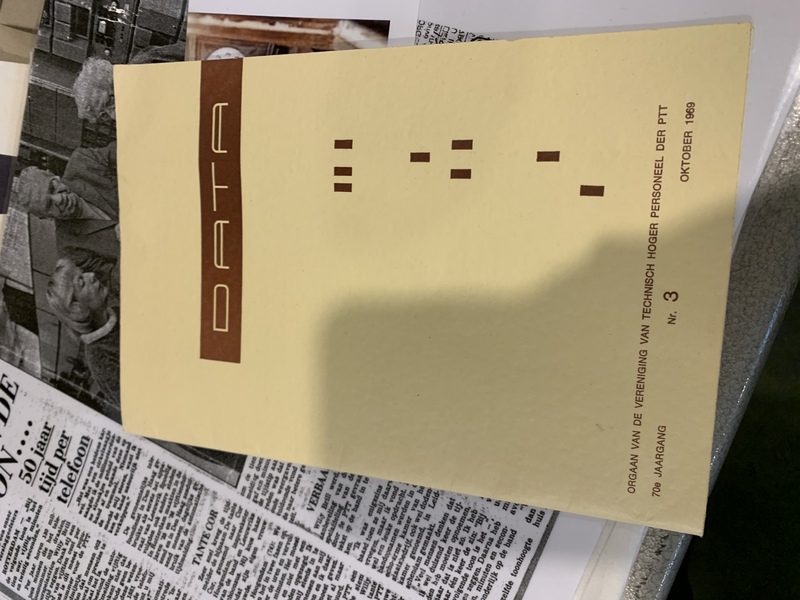
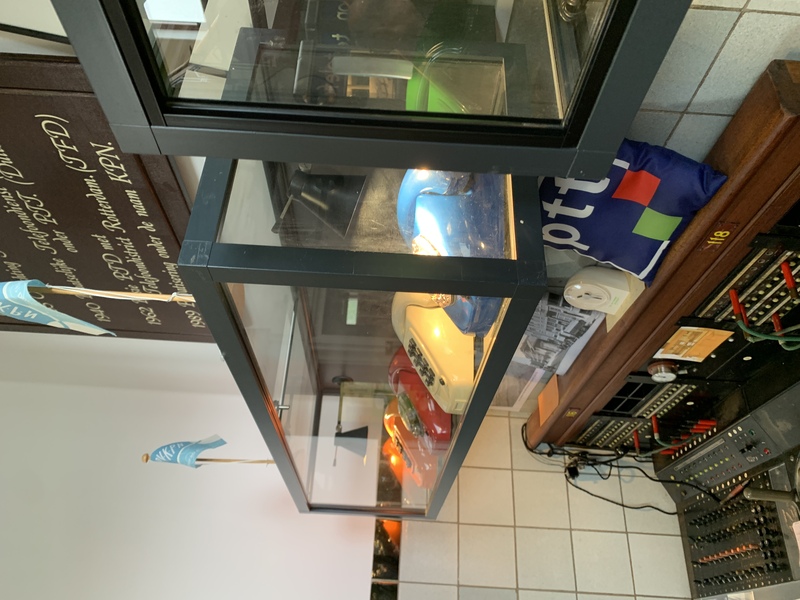
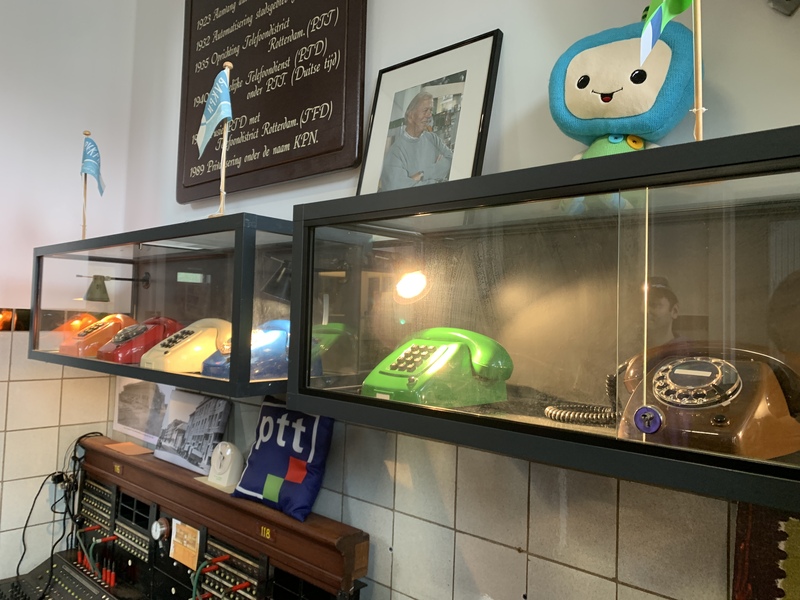
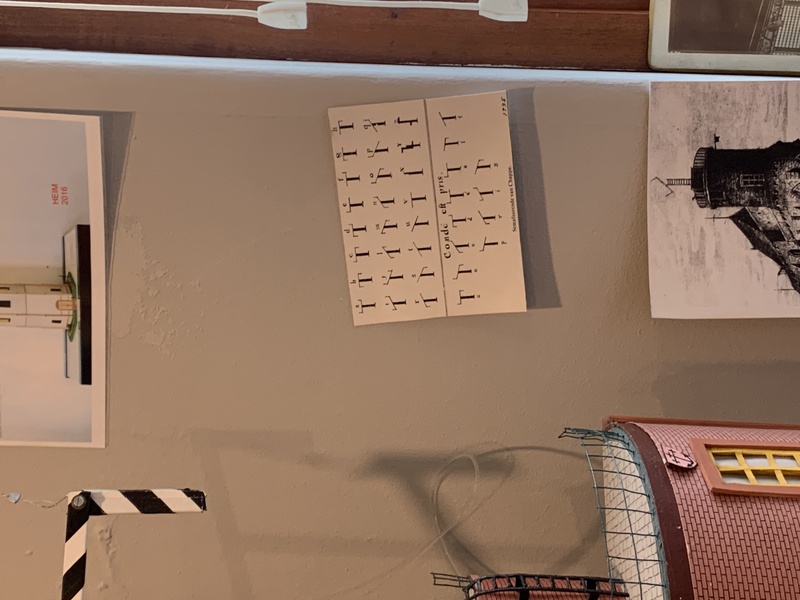
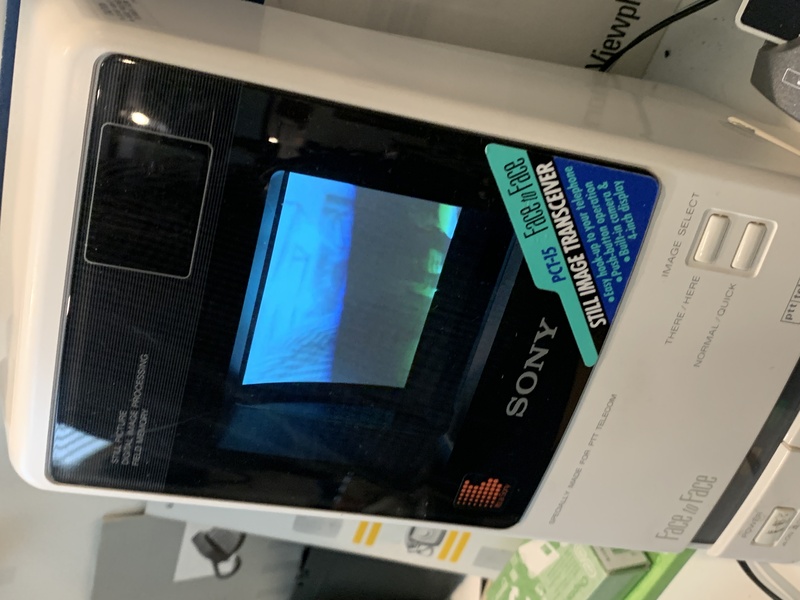
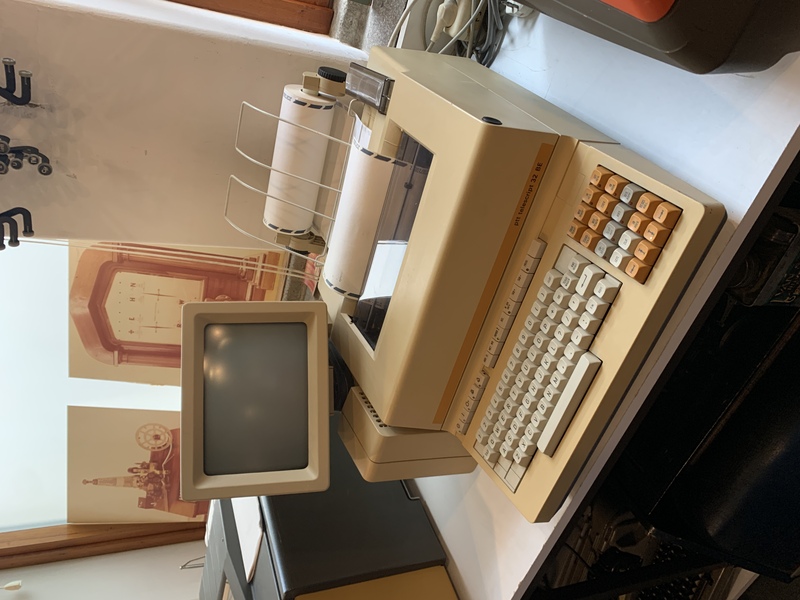
In June 2025, we visited the Telecom Museum in north of Rotterdam
with XPUB classmates as a part of our Special Issue (27). It was amazing. I was immediately
enamoured with the
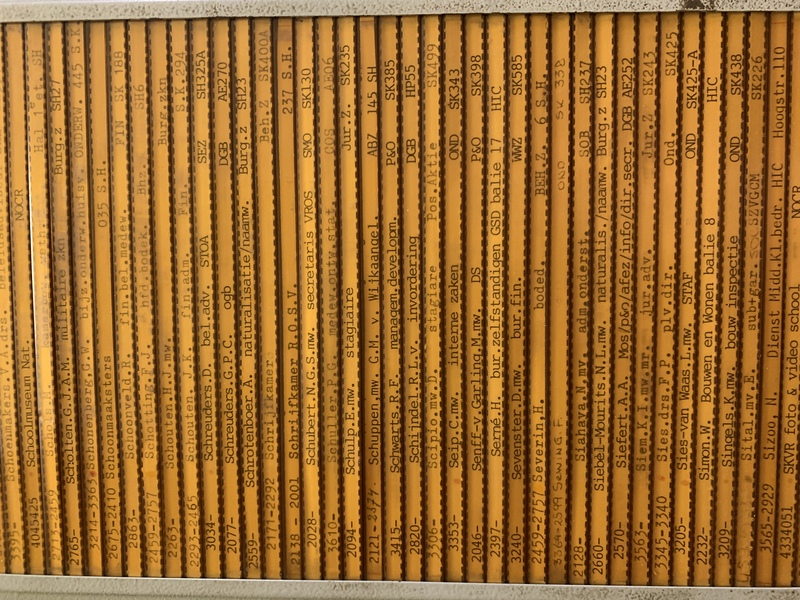
amount of documents they have in store and all the equipment they have in hand. The volunteers
of this museum
were all
PTT/KPN workers. It was amazing talking to them because they experienced first hand how the
various technologies
AND the infrastructures
that allowed these technologies to be free for all to become deprecated or abandoned one by one.
Eventually they
were retired from their
respected jobs because there was no job anymore.
At the end of our first tour with 2 volunteers, I asked them how long they worked for PTT and
they both said
30+(one of them said 42... Insane!).
They explained to me how the radio stations worked during World War ii in a secret room they
don't usually
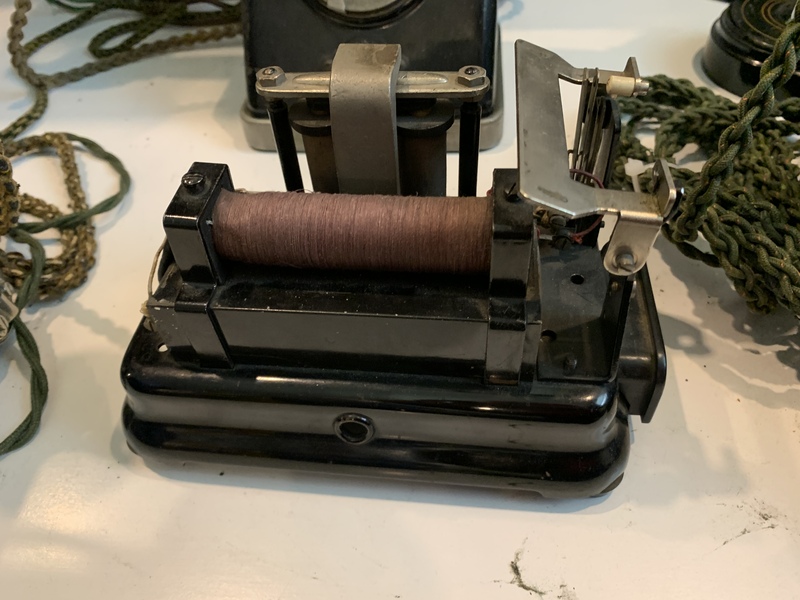
invite visitors to. They showed us Phillips vs Siemens devices to
explain where the parts of the telephony systems used to come from. They also explained how when
telephone lines
were abandoned to be digitalized, they helped with
the conversion to ISDN(im not sure if this is 100% correct, its been a while since the
conversation :).
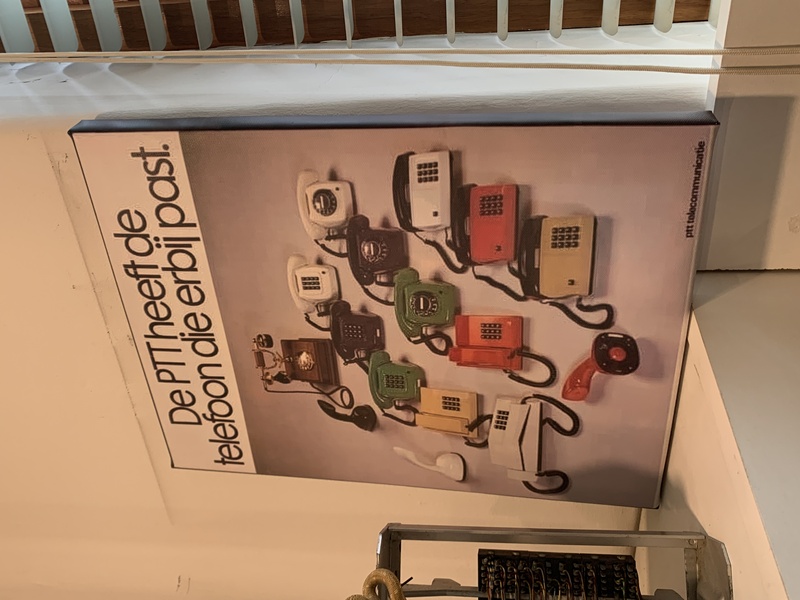
What interested me the most was the accessibility of the telecommunication systems. PTT used
to operate,
repair, invent, design, sell devices that later became house staples and iconic tech from
yesterdays future.
They told me that when Bell company(graham bell as the first ever telephony company from USA)
reached The
Netherlands, only the rich
got to have telephones and this put a lot of others into unjust situations. The emergency lines
were only
available to those
who could afford it. The government then decided to establish PTT to accommodate the
communication needs for
all. The services (of course its the nl) not for free but
they were available everywhere, there were telephone cables underneath every house.
PTT made it possible for all people to use radio, telegraphy, telephony and I think towards
its end,
they also laid cables for internet.
PTT remain intact until beginning of the 1990s. Then got divided and sold by the government...
Now whatever is
left of this
historic telecommunication company is in museums all over the netherlands.
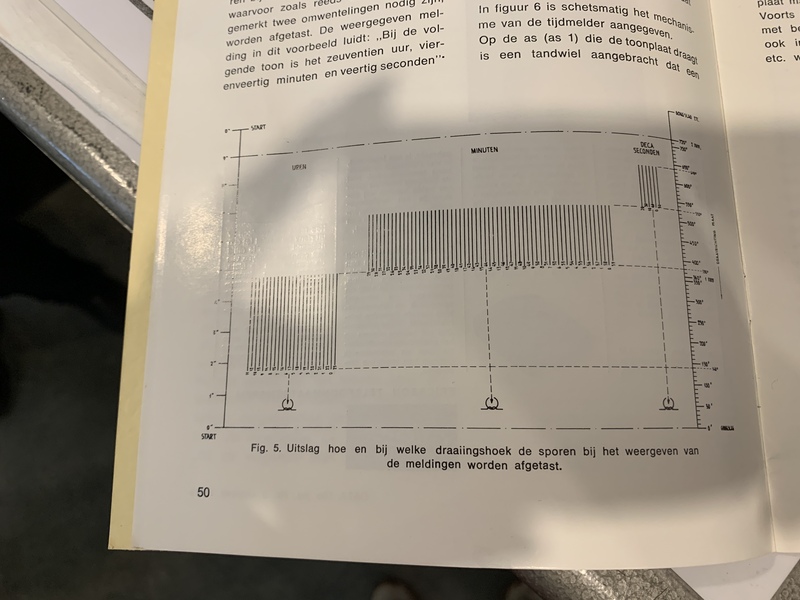
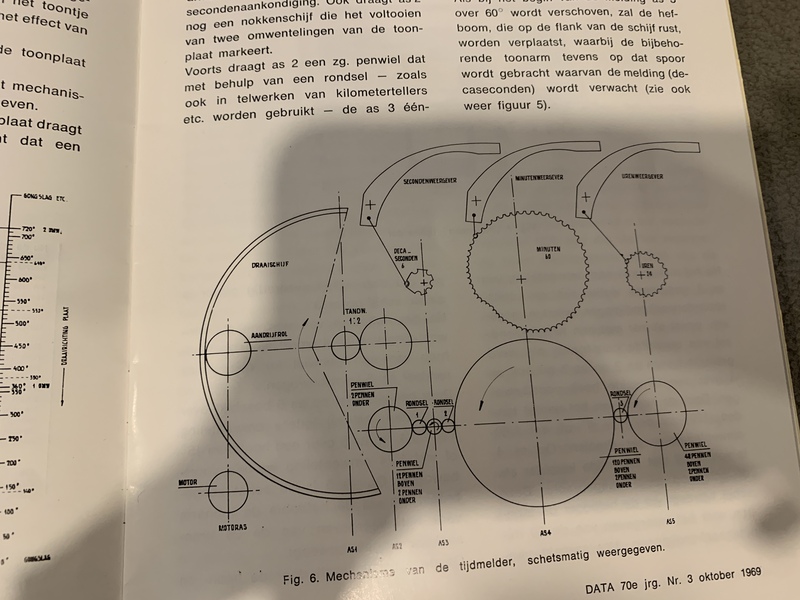
What striked me as really nice about this museum was that the volunteers were very willing
to
share whatever they can, schematics, rooms, books with you as much as possible. They really
wanted to share
their knowledge and show us interesting things.
Another thing that was really interesting was that they had a work bench! Which is very
rare now in
museums. The volunteers are no longer repairing the things in the museums, the devices
are more for show.
But in the telecom museum there are dedicated people that use the workshop to fix some devices
and try to repair
the devices that are not on show. They also have a space under their staircase that is dedicated
for
trash where they pile up devices they no longer want/need/can'trepair.